UV DTF
UV DTF
Why Does Dust Adhere to UV DTF Prints? Comprehensive Solutions for Static Electricity
Why Does Dust Adhere to UV DTF Prints? Comprehensive Solutions for Static Electricity
Why Does Dust Adhere to UV DTF Prints? Comprehensive Solutions for Static Electricity
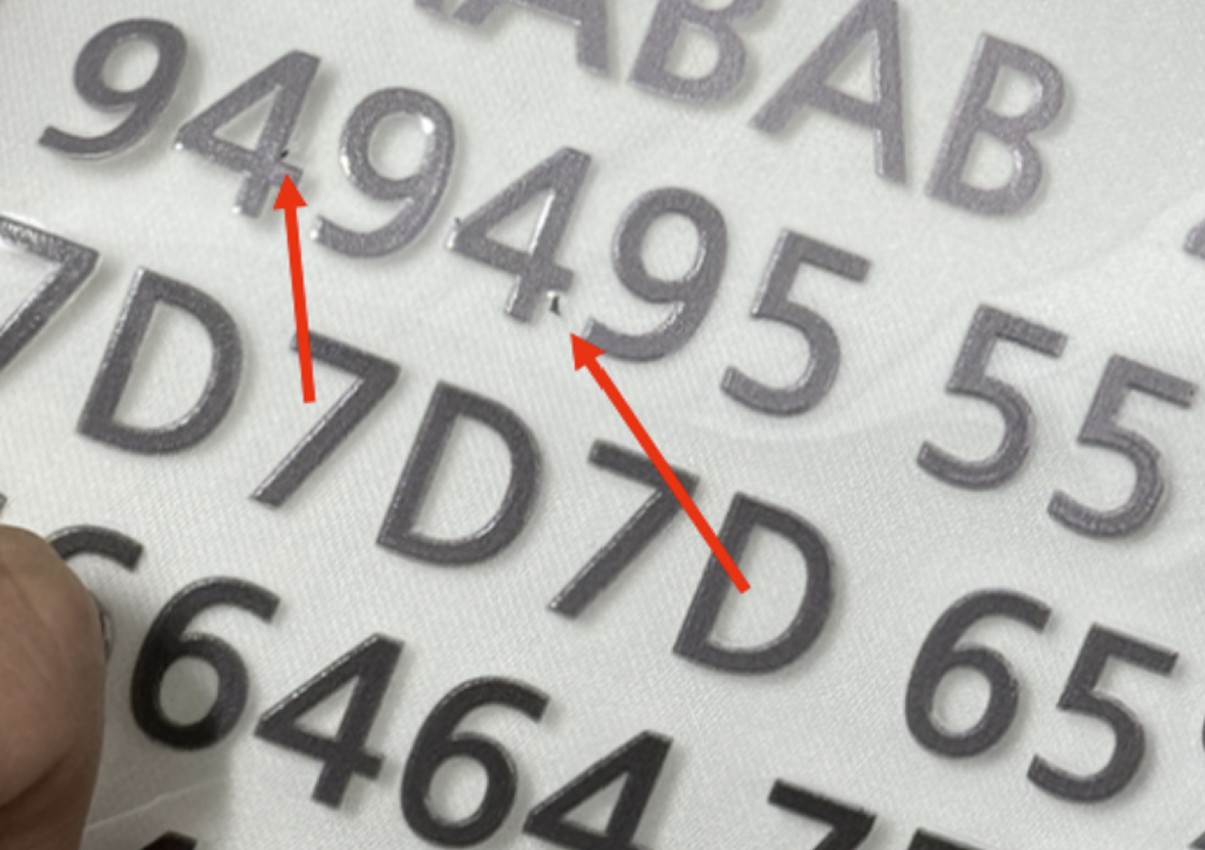
Have you encountered issues with fine particulate matter adhering to your prints, or film lifting caused by static electricity during UV DTF printer operations? Static electricity not only compromises overall print quality but also actively attracts airborne dust, leading to severe surface contamination. This guide provides a detailed analysis of the underlying causes of static electricity during UV DTF printing and outlines highly effective mitigation strategies.
Primary Causes of Static Electricity in UV DTF Printing
There are several environmental and mechanical factors that contribute to static generation during the UV DTF output process:
1. Mechanical Friction on the Film Surface
UV DTF film is constructed from inherently thin and flexible materials. As the substrate feeds through the printer mechanisms, the resulting physical friction naturally generates a static charge.
2. Low Ambient Humidity in the Workspace
Dry operational environments (specifically, relative humidity below 30-40%) are highly conducive to static generation. This significantly elevates the risk of dust attraction to the film and erratic ink dispersion (overspray) during the printing phase.
3. Static Accumulation During Film Storage
Stacking film without adequate protective packaging or storing it under improper conditions allows static charges to accumulate over time. This drastically increases the likelihood of dust adhesion even before the print cycle begins.

Effective Solutions for Static Electricity Management
1. Optimal Humidity Control (Maintain 40-60% RH)
Sustaining ambient humidity levels at or above 40% within the workspace is the most effective way to suppress static generation. It is highly recommended to deploy humidifiers for environmental control and continuously monitor the area using a reliable thermo-hygrometer.
2. Installation of Anti-Static Rope/Tinsel
Implementing an anti-static rope along the printer's media feed path is a highly effective method for safely discharging static electricity directly from the film's surface as it moves.
3. Particulate Elimination in the Workspace
In environments prone to airborne dust, deploying air purification systems is crucial to reduce fine particulates. Additionally, utilizing protective covers for the printer is an excellent preventative measure to stop dust from settling directly onto the active film.
4. Proper Equipment Grounding
Establishing a dedicated electrical ground for the printer ensures that any static charge generated by the hardware itself is safely and naturally dissipated, serving as a fundamental preventative measure.
5. Strict Film Storage Protocols
To prevent ongoing charge accumulation, always store unused film securely sealed within its protective packaging (e.g., anti-static vinyl wrap, dedicated film cases).
Conclusion
Unmanaged static electricity in UV DTF operations inevitably leads to surface contamination and degraded output quality. However, implementing proactive environmental and mechanical measures—such as strict humidity control and proper equipment grounding—can effectively eliminate these variables.
Are static issues disrupting your UV DTF workflow? Leave your inquiries in the comments below, and our technical support team will provide tailored solutions!
Have you encountered issues with fine particulate matter adhering to your prints, or film lifting caused by static electricity during UV DTF printer operations? Static electricity not only compromises overall print quality but also actively attracts airborne dust, leading to severe surface contamination. This guide provides a detailed analysis of the underlying causes of static electricity during UV DTF printing and outlines highly effective mitigation strategies.
Primary Causes of Static Electricity in UV DTF Printing
There are several environmental and mechanical factors that contribute to static generation during the UV DTF output process:
1. Mechanical Friction on the Film Surface
UV DTF film is constructed from inherently thin and flexible materials. As the substrate feeds through the printer mechanisms, the resulting physical friction naturally generates a static charge.
2. Low Ambient Humidity in the Workspace
Dry operational environments (specifically, relative humidity below 30-40%) are highly conducive to static generation. This significantly elevates the risk of dust attraction to the film and erratic ink dispersion (overspray) during the printing phase.
3. Static Accumulation During Film Storage
Stacking film without adequate protective packaging or storing it under improper conditions allows static charges to accumulate over time. This drastically increases the likelihood of dust adhesion even before the print cycle begins.
Effective Solutions for Static Electricity Management
1. Optimal Humidity Control (Maintain 40-60% RH)
Sustaining ambient humidity levels at or above 40% within the workspace is the most effective way to suppress static generation. It is highly recommended to deploy humidifiers for environmental control and continuously monitor the area using a reliable thermo-hygrometer.
2. Installation of Anti-Static Rope/Tinsel
Implementing an anti-static rope along the printer's media feed path is a highly effective method for safely discharging static electricity directly from the film's surface as it moves.
3. Particulate Elimination in the Workspace
In environments prone to airborne dust, deploying air purification systems is crucial to reduce fine particulates. Additionally, utilizing protective covers for the printer is an excellent preventative measure to stop dust from settling directly onto the active film.
4. Proper Equipment Grounding
Establishing a dedicated electrical ground for the printer ensures that any static charge generated by the hardware itself is safely and naturally dissipated, serving as a fundamental preventative measure.
5. Strict Film Storage Protocols
To prevent ongoing charge accumulation, always store unused film securely sealed within its protective packaging (e.g., anti-static vinyl wrap, dedicated film cases).
Conclusion
Unmanaged static electricity in UV DTF operations inevitably leads to surface contamination and degraded output quality. However, implementing proactive environmental and mechanical measures—such as strict humidity control and proper equipment grounding—can effectively eliminate these variables.
Are static issues disrupting your UV DTF workflow? Leave your inquiries in the comments below, and our technical support team will provide tailored solutions!
Latest Stories
Latest Stories
Discover the latest news from MANPROTEK.
Discover the latest news from MANPROTEK.
View more